Cypress has grown into a major business corridor along US 290, the Grand Parkway and Barker Cypress, with shopping centers, medical offices, restaurants, schools and apartment communities. Commercial water losses here come from the same sources as homes, plus a few of their own.
- Fire sprinkler line breaks and accidental sprinkler discharge.
- Rooftop HVAC units and condensate lines leaking into suites.
- Restaurant dishwasher, ice machine and floor drain backups.
- Storm water entering through storefront doors and flat roofs.
Keeping the doors open
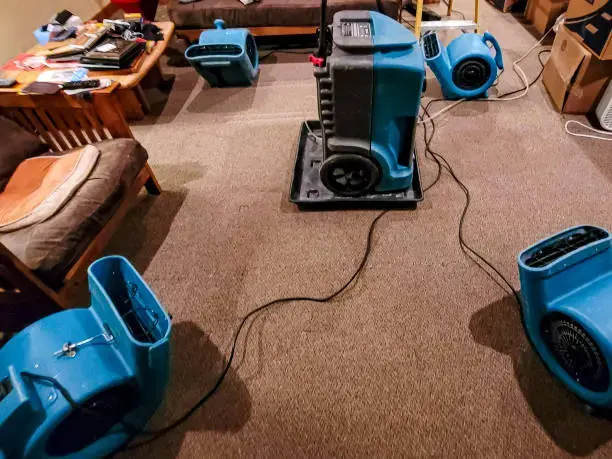
The first question in a commercial loss is usually how much of the space can stay open. The mitigation team can section off the wet area with containment, dry in phases, and run the noisiest equipment after hours. Commercial carpet tile can often be lifted, dried and reset, and drywall is dried in place when the water was clean.
Multi-tenant buildings
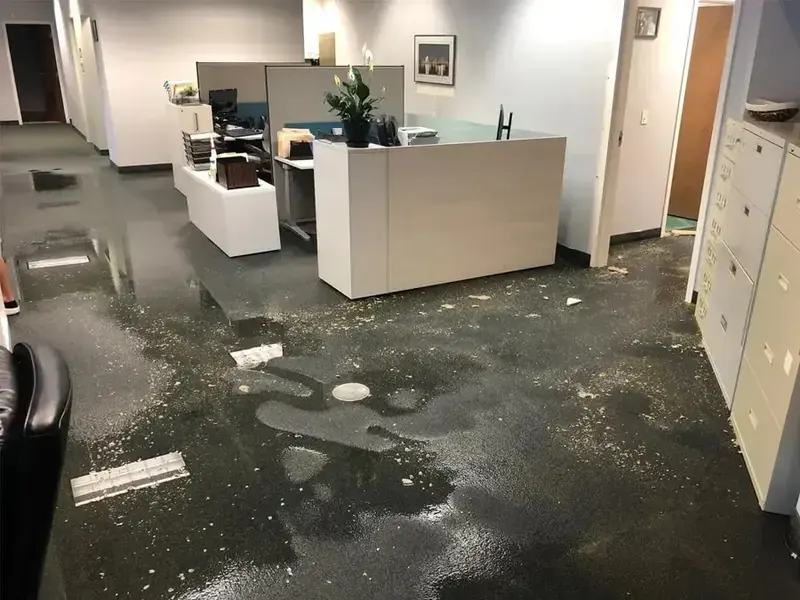
In a strip center or office building, water rarely stays in one suite. It moves under demising walls and through ceiling grids. Documenting each suite separately, with its own readings and photos, helps owners, tenants and adjusters sort out who is responsible for what.
Health and safety
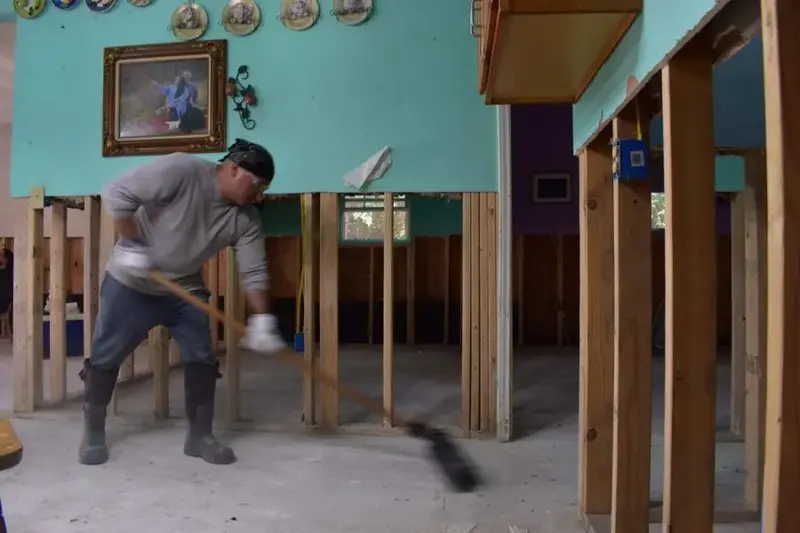
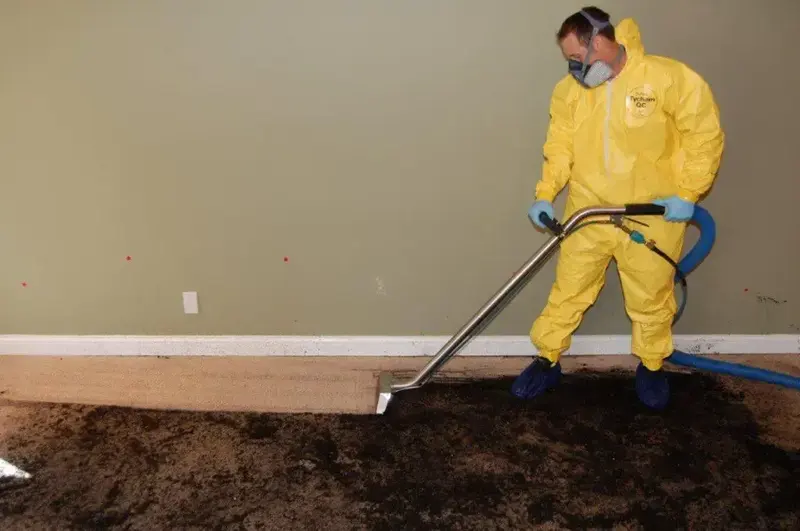
Clinics, restaurants and schools have stricter needs. Category 3 water from a drain or flood needs containment and HEPA air scrubbers before anyone works nearby. The OSHA flood cleanup guidance covers worker safety, and the SBA disaster assistance program covers help for businesses after a declared disaster. For the drying method, see structural drying, and for floodwater, flood damage cleanup.