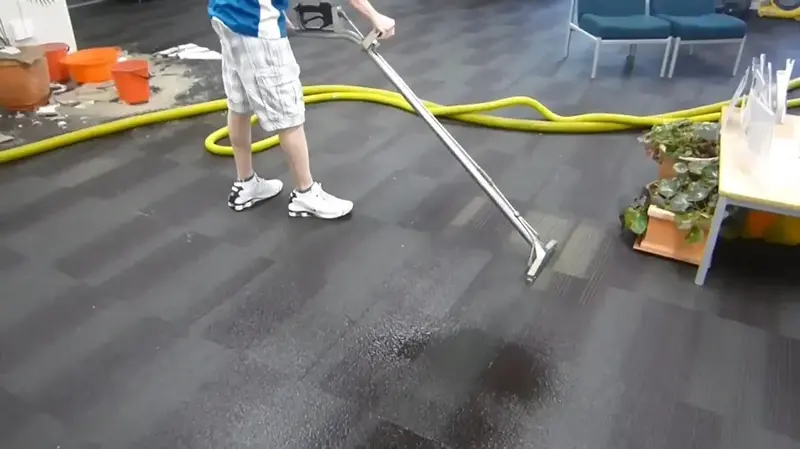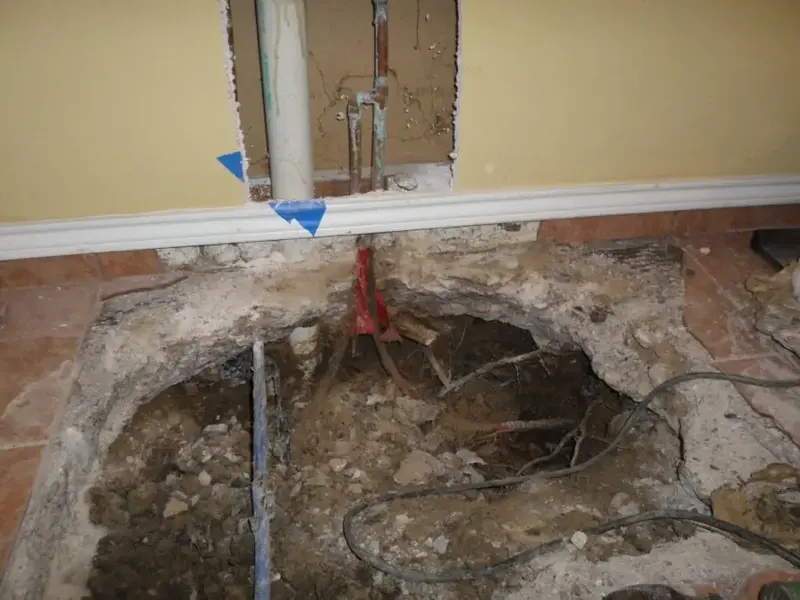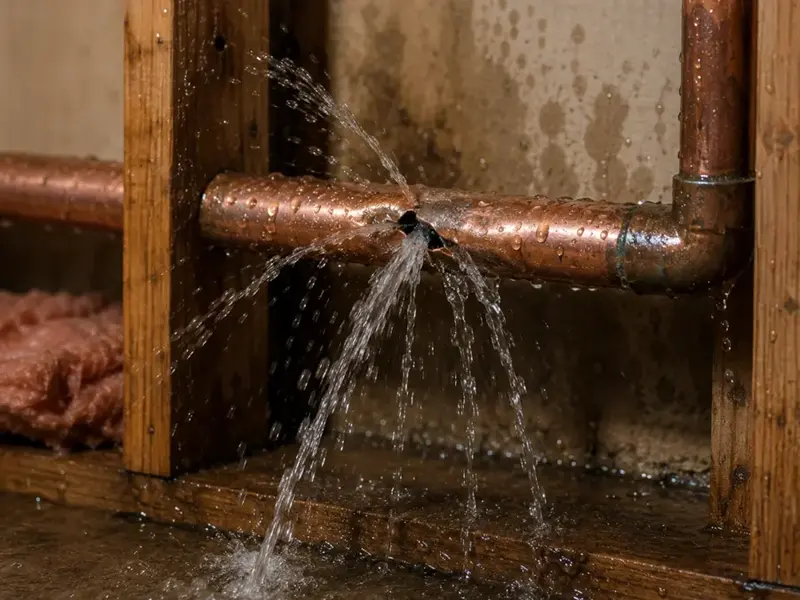
Drying is not the same as the carpet feeling dry. Water that soaked into framing, subfloor, the slab and the back side of drywall can stay there long after the surface feels fine. Left behind, it warps floors, loosens tile and feeds mold. Structural drying is the trade method for getting that hidden water out and proving it is gone.
How the IICRC S500 method works
- Moisture mapping records what is wet before equipment goes down.
- A dry reference reading comes from the same material in an unaffected area.
- Class 1 through 4 sets how much equipment each room needs.
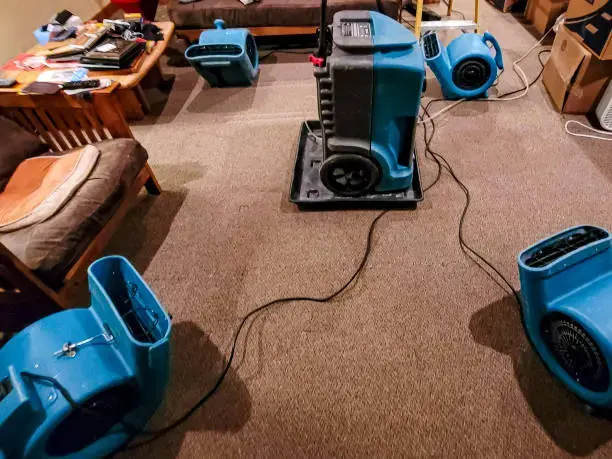
- Air movers raise evaporation; dehumidifiers pull that moisture out of the air.
- The drying goal is reached when wet materials read within 2 to 4 points of the dry reference.
Drying in Gulf Coast humidity
Cypress air is humid most of the year. Opening windows usually brings more moisture in than it lets out, so the drying team keeps the house closed and lets LGR dehumidifiers control the air. For dense materials like hardwood and concrete, desiccant dehumidifiers dry the air further. Running the home's AC also helps.
Why equipment stays until the readings say so
Pulling equipment on a schedule, rather than on readings, is how a dry-out turns into a callback. Most crews log readings daily and adjust equipment as materials dry. That log also shows an adjuster exactly what was wet and when it reached the goal. The EPA indoor air quality pages explain why moisture control matters, and Texas A&M AgriLife Extension has recovery guides for Texas homes.
Drying usually follows water extraction. Try the drying time estimator for a planning window.