Extraction is the least glamorous part of a water loss and the one that saves the most money. Every gallon left on the floor has to be evaporated later by air movers and pulled back out of the air by dehumidifiers, which takes days. A gallon pulled out by a truck-mounted unit is gone in seconds.
Why extraction comes before drying in Cypress
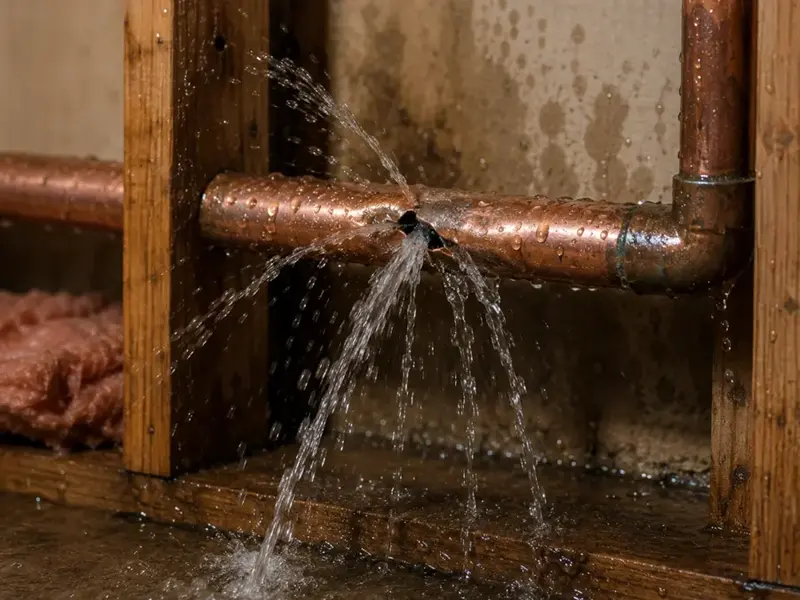
Most Cypress homes sit on a concrete slab. Water that reaches the slab edge spreads under tack strip, baseboards and cabinet toe kicks, then wicks up drywall. Gulf Coast humidity slows evaporation, so removing water mechanically first matters even more here than in a dry climate.
- Carpet and pad can often be saved when clean water is extracted quickly.
- Laminate and engineered wood usually trap water underneath and may need to come up.
- Tile over the slab dries fastest once standing water is gone.
Truck-mounted versus a shop vac
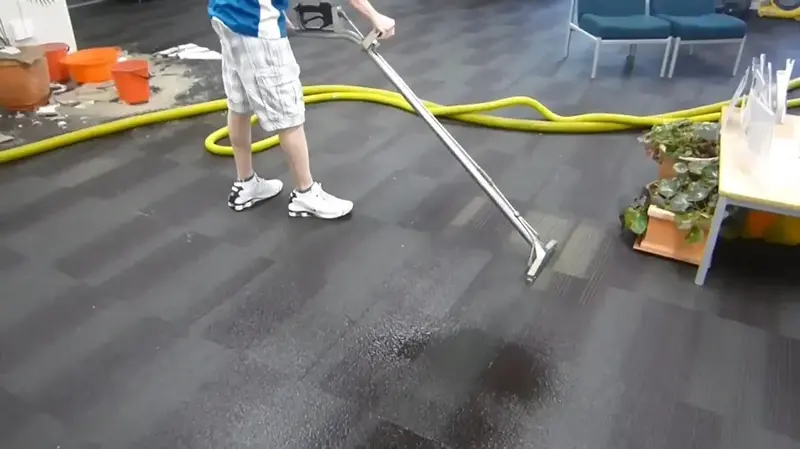
A household wet vac moves a few gallons at a time and leaves the pad soaked. The extraction crew uses a truck-mounted unit with far more suction, plus weighted extraction tools that press water out of carpet and pad from above. Submersible pumps handle deeper standing water, such as a flooded garage after a storm.
When the water is not clean
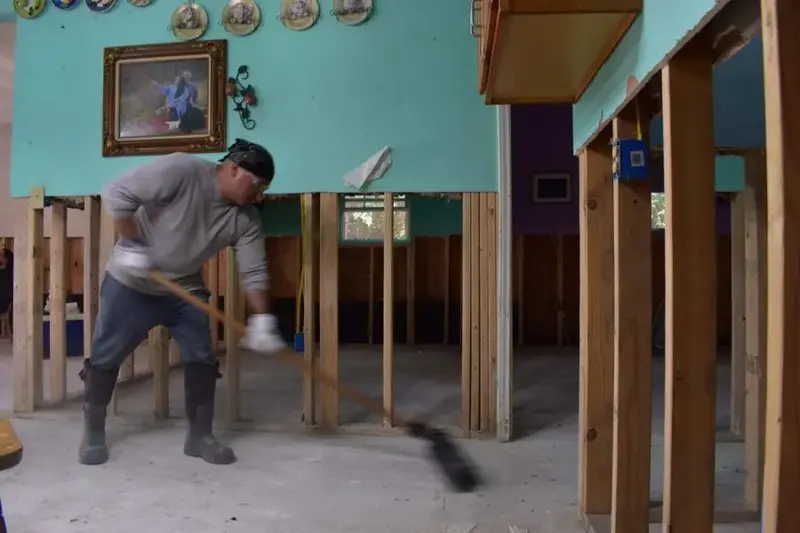
Water from a flooded street, Cypress Creek overflow or a sewer line is Category 3. The mitigation team treats it differently: protective gear, containment, and removal of soaked pad and drywall instead of drying it. The sewage backup cleanup and flood damage cleanup pages cover that process. For safety guidance before anyone wades in, see Ready.gov flood safety and the recovery guides from Texas A&M AgriLife Extension.
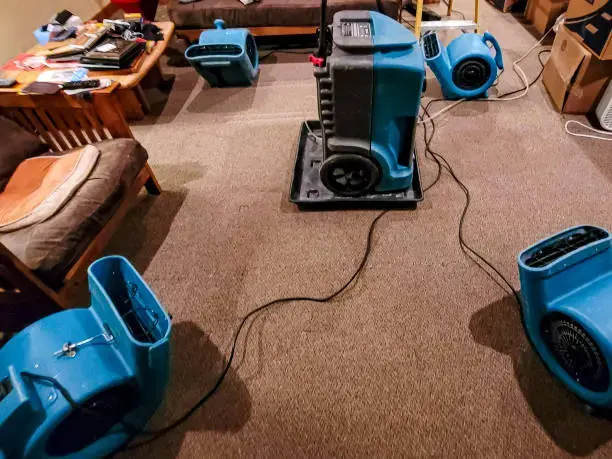
After extraction, structural drying takes over, and the equipment stays until the readings say dry.