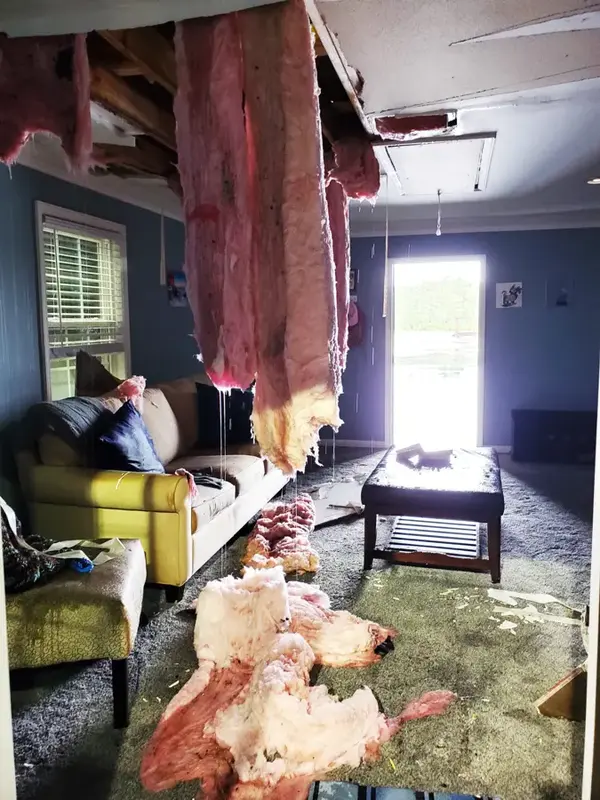
Cypress is flat, and it was named for the creek that runs through it. When a slow Gulf storm stalls over northwest Harris County, rain falls faster than Cypress Creek and Little Cypress Creek can carry it away. Streets fill first, then yards, then the lowest slab in the subdivision. The Tax Day flood of April 2016 and Hurricane Harvey in August 2017 both sent water into Cypress homes, some of them twice.
Why floodwater is Category 3
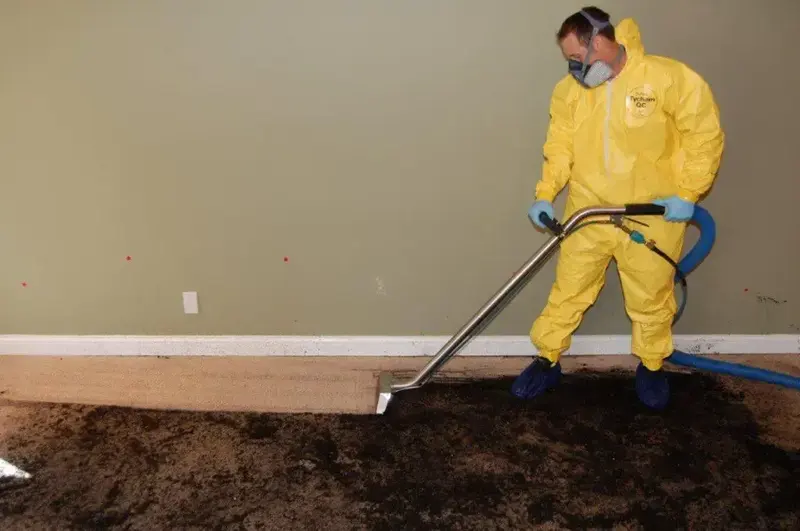
Rising floodwater picks up everything it crosses: sewer overflow, lawn chemicals, fuel and silt. The IICRC S500 standard treats it as Category 3 from the moment it enters. That changes the job:
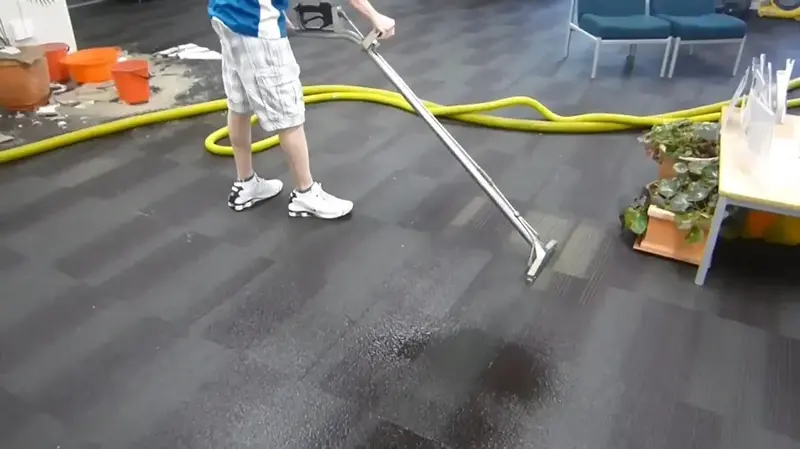
- Carpet, pad and upholstered furniture that sat in floodwater get removed.
- Drywall and insulation are cut out above the wet line, a step the trade calls a flood cut.
- Hard surfaces are cleaned and treated with an EPA-registered antimicrobial.
- The crew works in protective gear and runs HEPA air scrubbers.
Flood versus water damage on a claim
Rising water from outside is flood, which a standard Texas homeowners policy excludes. A separate flood policy, often through the National Flood Insurance Program, is what responds. The FloodSmart.gov site explains how flood policies work, and the Texas Department of Insurance has guidance on filing after a storm. Either way, the claim file needs photos of the water line, a moisture map and daily drying logs.
When the water goes down
Speed matters because wet drywall and baseboards keep wicking, and mold can start in 24 to 48 hours in Cypress humidity. The drying team focuses on getting the wet materials out and the slab and framing dry. Rebuilding comes after the structure reads dry. If storm wind also opened the roof, see storm and hurricane water damage. The Cypress flood risk check helps you gauge your exposure before the next storm season.