Most Cypress homes are on a slab, so a sewer backup usually surfaces at the lowest drain: a first-floor shower, tub or toilet. It can come from a blockage in the home's own line, roots in an older clay or cast iron lateral, or a municipal utility district line overloaded during heavy rain.
Why sewage is different
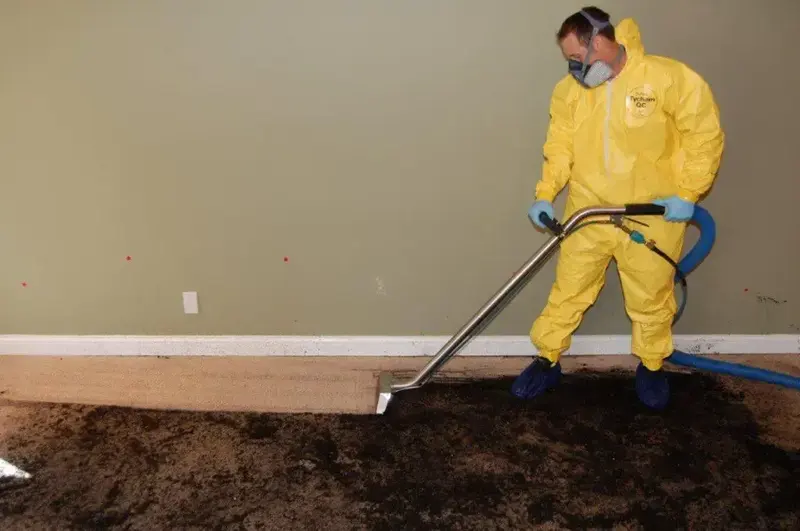
Sewage carries bacteria, viruses and parasites. The IICRC S500 standard treats it as Category 3 from the start, which changes the whole job:
- The area is contained so contamination does not spread through the house.
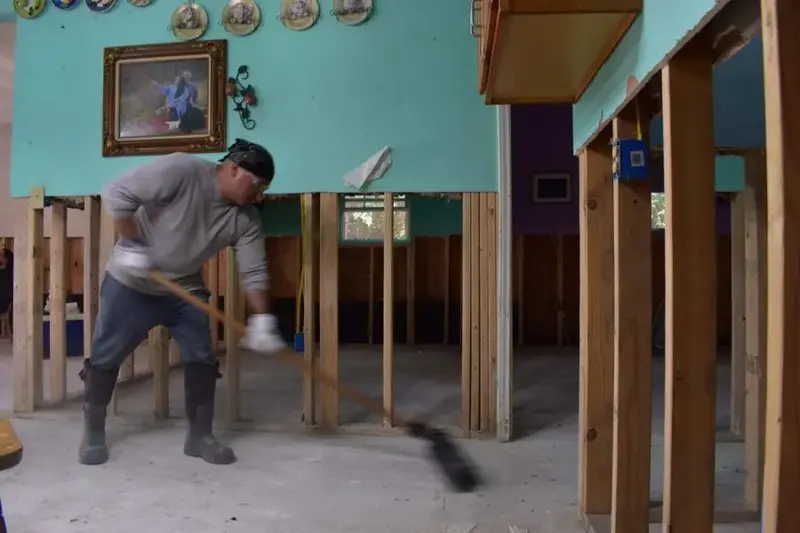
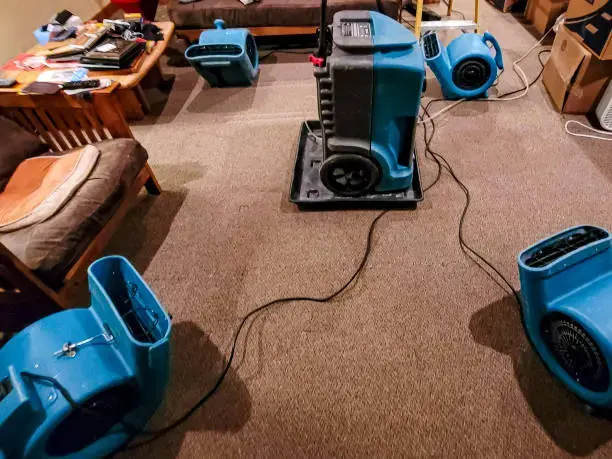
- Porous materials the water touched, including carpet, pad, drywall and insulation, are removed rather than dried.
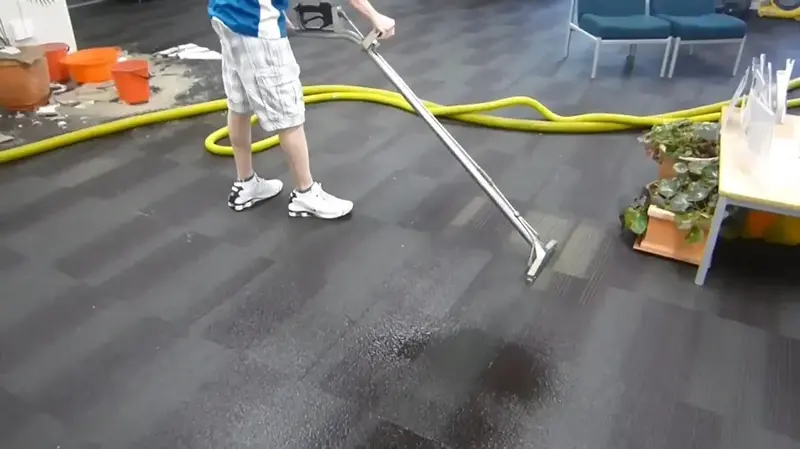
- Hard surfaces are cleaned and treated with an EPA-registered antimicrobial.
- Crews wear protective gear and run HEPA air scrubbers.
What you can do while you wait
Stop using water in the house, since every flush or shower can add to the backup. Keep everyone out of the area, especially children, older adults and pets. Do not try to mop it up with household cleaners; they do not deal with the contamination and can spread it.
Storms and sewer surcharge
During heavy rain, stormwater can get into sanitary sewer lines and push them past capacity. If a backup happens during a storm, note the time and weather for the claim. Floodwater that entered from outside is handled as flood damage cleanup. See OSHA flood cleanup guidance for protective gear basics, and EPA pesticide registration for how antimicrobial products are registered.